Cornwall

Most UK residents will be very familiar with Cornwall as a holiday destination, but it is surprisingly little known outside the island. So, for those of you not familiar with it, Cornwall is a beautiful part of the British Isles, stretching in the south-west of England between the Celtic Sea and the English Channel, with stunning views of the high coast, nice little villages and multitude of historical sites.

We stayed for four days in a cottage in Sennen Cove, a lovely quiet village with a beautiful beach. The cottages were great, beautiful setting, good conditions and a fair price.

We were in easy reach of Land's End (Britain's most westerly point), and we walked there enjoying the great views. We also discovered some great animal-shaped rocks along the way :)


On the next day we went to St Michael's Mount, a very touristic sight in Cornwall but still very nice to visit. The island is accessible at low tide on a causeway, and at high tide by boat. You can visit the clifftop castle which is now a museum, and the much older church, and also the castle gardens. Below, a photo of the island from mainland, and two photos from the top of the island.


One great sight is Minack Theatre, an open-air theatre built in the 1930s, resembling an ancient site. It is a beautiful structure and what is remarkable about it is that it was built and maintained through the passion and determination of a single woman who undertook great efforts to keep it alive for performances. The theatre is still functional in the warm months.


A fantastic sight was Tintagel Castle. The ruins of what used to be a fortification have been linked with the legends of King Arthur, said to have been Arthur's birthplace, and you can also visit 'Merlin's Cave' at the site. There is no historical proof of this though. However, the surroundings are absolutely beautiful and if you want to see it I suggest you do it soon - like most sights on the south-west coast, the castle is threatened with imminent collapse due to coastal erosion.


Another really cool place we saw (but have no photos of) was the Eden project - for those not familiar with it, these unique botanical gardens were built on the site of a disused mine. The most distinctive feature are the two giant domes (biomes) harbouring rainforest and mediterranean plants. It was really interesting to actually see banana and vanilla trees, and the plants making all the exotic spices we buy in the supermarket. We drank fresh coconut juice and coffee from beans grown on site. It's also really well set up to present all the actual and possible uses of various plants, such as textile, medical, dyes, etc. Really interesting and definitely worth going!

So if you haven't done so already, do visitcornwall.com :)

Uses for flowers

'There are so many types of flowers!!' I was crying by the seed rack in the garden centre last winter. So in order to rationalize some selection process I decided to focus on those flowers that come with alternative uses, and are also easy to grow.


Cornflower
These are really easy to grow directly from seed. They have been historically used in homemade cosmetics for their anti-inflammatory proprieties (preliminary clinical trial here), much in the same way as chamomile (see how to use flowers here)

Also, they dry really well and can be used decoratively in potpourris.

Apparently, the flowers are also edible and can be added to salads and desserts, haven't gone so far experimenting yet.


Chamomile

This is my favorite! Again, it's easy to grow directly from seed and I love the infusion!
Chamomile tea (prepared with one teaspoon dried flowers and hot water) is very relaxing and helps de-stress (clinical study on anxiolytic effects of this tea). It also great for topical application through steaming or using the cold tea as a very mild skin toner, reliving skin inflammation (e.g. clinical trial for chamomile effectiveness in treating eczema). Here are the flowers in the garden and the drying flower heads for later use.


Roses

They smell divine! This year, I am drying the petals to use in potpourris and in blends of tea. Last year I've made rose petal conserve, it was wonderfully fragrant, and got almost three jars from the roses of one garden shrub. If you want to try this, you'll find plenty of recipes on the web. You will also need to use specific types of roses, the very fragrant ones.


Two other types of pretty and useful flowers I have been reading about are lavender and marigold, both edible, with cosmetic and decorative uses. Looking forward to having them in the garden next year!

The garden July 2011

There's always great excitement whenever something new happens in the garden, new shoots, flowering, or fruiting! Our first attempt of growing some fruit and veg was last year, since then we've improved somewhat. Although it sometimes does feel we're eating slug leftovers. :)

We had some lovely photos of the first seedlings from April, but all those are unfortunately lost. So here's how they look now:

Broccoli
For those who didn't know (we certainly didn't!), the broccoli florets are young flower buds. On the left, broccoli ready for harvest (so much smaller that 'supermarket' broccoli!), on the right, broccoli we've left in for too long with opening flowers. This is actually really easy to grow and the harvest is apparently better when seeds are planted in mid to late summer for an autumn crop.


TomatoesThese are so worth growing! They easily grow in growing bags or large pots, and the taste is heavenly compared to store-bought tomatoes. Ours are just maturing now:


CucumbersAnother easy-to-grow one! We've planted ours in a large pot and installed some canes for them to climb on, they're doing well and started producing fruit!


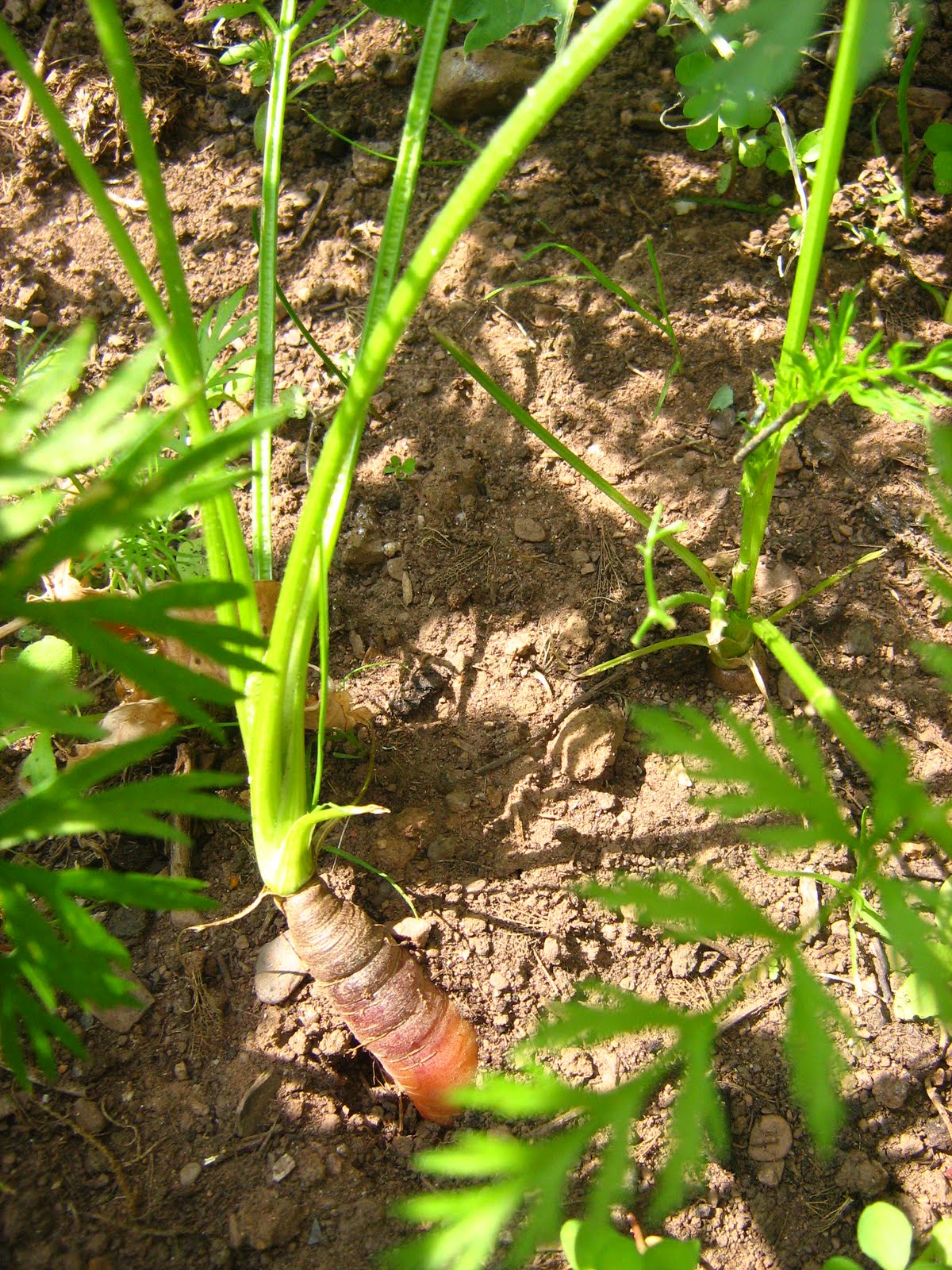
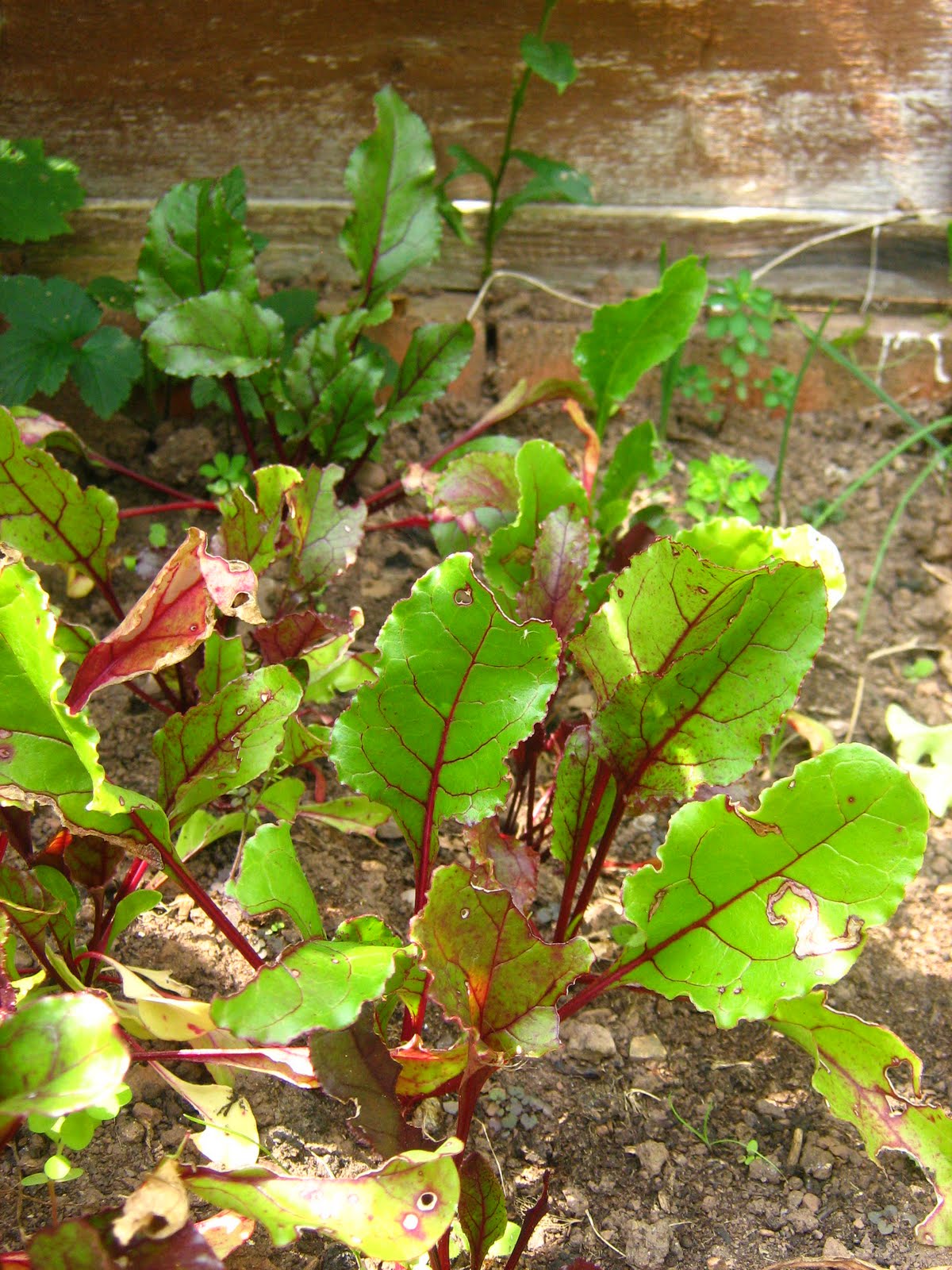
Other things growing well in the garden are the salad lettuce (yum!), carrots, beetroot:


And, finally, herbs!! Here are our two pots so far, one full of mint and the second one with parsley, sage, oregano, and rosemary.

Wholemeal bread

We have tried several bread recipes, but this one is so simple and great that it has become a favourite!

You only need:

500 gr wholemeal flour
400 ml lukewarm water
1 teaspoon sugar
1 teaspoon salt
1 teaspoon active dried bread yeast


Step1. Mix the flour, yeast, sugar, and salt.


Step 2. Add the water and mix for 1-2 minutes.

Step 3. Pour the mixture in a loaf tin and leave in a warm place to rise by about a third. This should take up to an hour.


Step 5. Bake at 200C for 40 minutes.


Step 4. Remove from the oven and cool on a wire rack - this is important, otherwise the crust will become soggy. Wait 10-20 minutes and then have a slice or two with a bit of butter, it tastes wonderful hot!


Variations: You could add some seeds, I use pumpkin and sunflower seeds. You could also add some dried herbs or spices for flavour, i've tried adding a teaspoon of paprika, it works really well.

If you make this, let us know how you got on! ;)

This recipe is from Baking by Martha Day. But if you want to get technical and see variations to wholemeal bread, here's a good link: http://www.guardian.co.uk/lifeandstyle/wordofmouth/2010/jun/10/how-to-bake-wholemeal-bread

Painting with acrylics

I started painting again (i've hardly done any art since school) last January. At that time, our white walls were in dire need of some photos/paintings. While walking around the sale section of one of the home decoration chains, disenchanted with everything we saw, Dan says to me 'you said you'd like to paint, why don't you make something?'

So I gave it a go and it actually worked well, some paintings look decent enough to hang in the living room. What i've learned so far is that painting... is incredibly relaxing! And very rewarding once you start decorating your house with your own work.

I thought it is a good idea to start reproducing paintings I like, so i can learn the technique, and it has been working really well. It will be a while till i gather the courage to design a painting on my own :)

I actually started with watercolours (see an example on the 'About' page of the blog), but i found acrylics to be far more suitable for beginners. They dry fast and have great covering power, so you can easily cover any mistakes. Here are some examples of what I've done so far:

This is a loose reproduction of 'Thin ice' by Paul Burnsall, a British naive painter.


And this one is inspired by Bela Ivanyi-Gruwald's 'Drying clothes' (1903)